 Embodied Minds Summit
Embodied Minds Summit
Embodied Minds Summit
Interoception, Consciousness, and the Future of Self-Understanding in the Age of AI
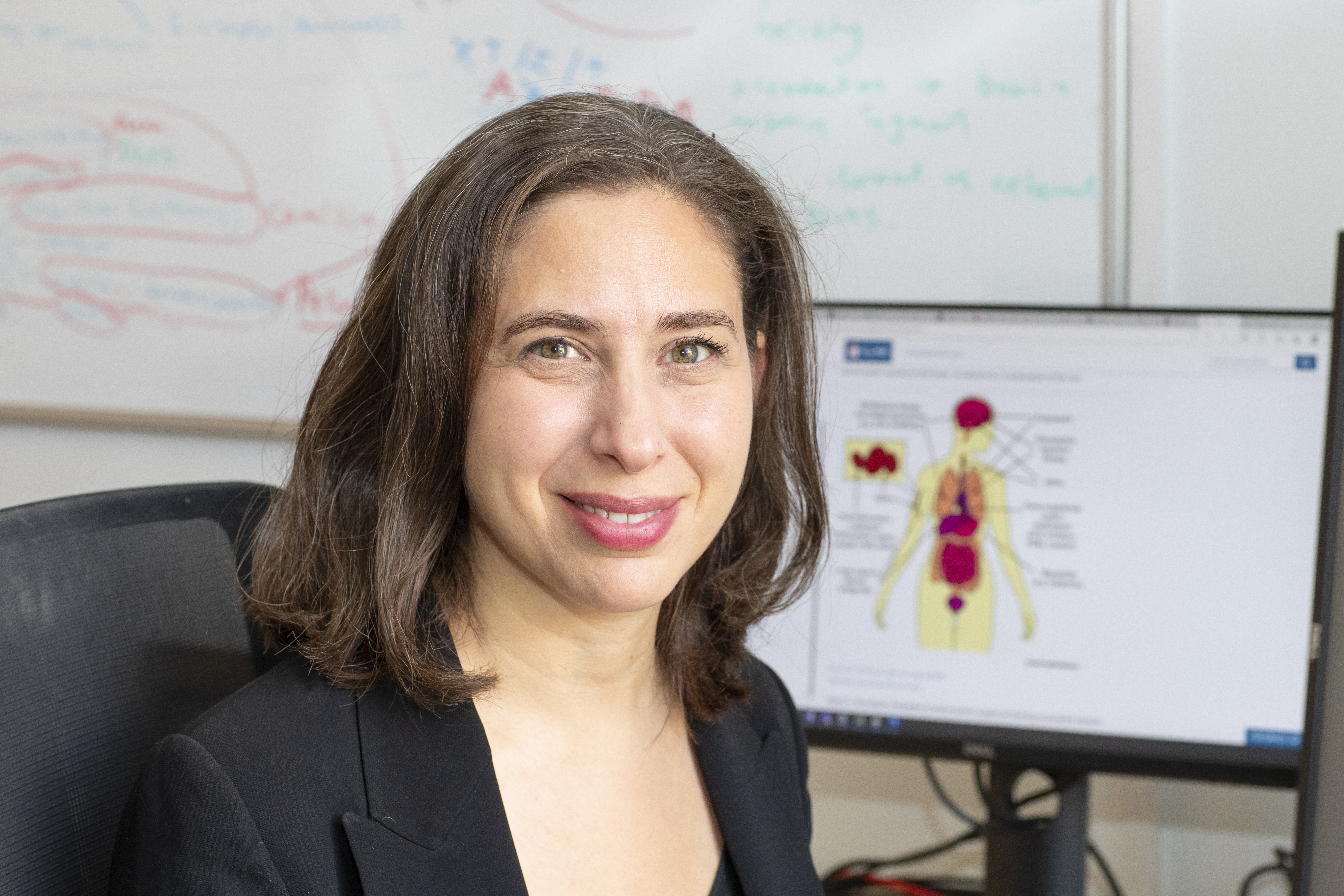
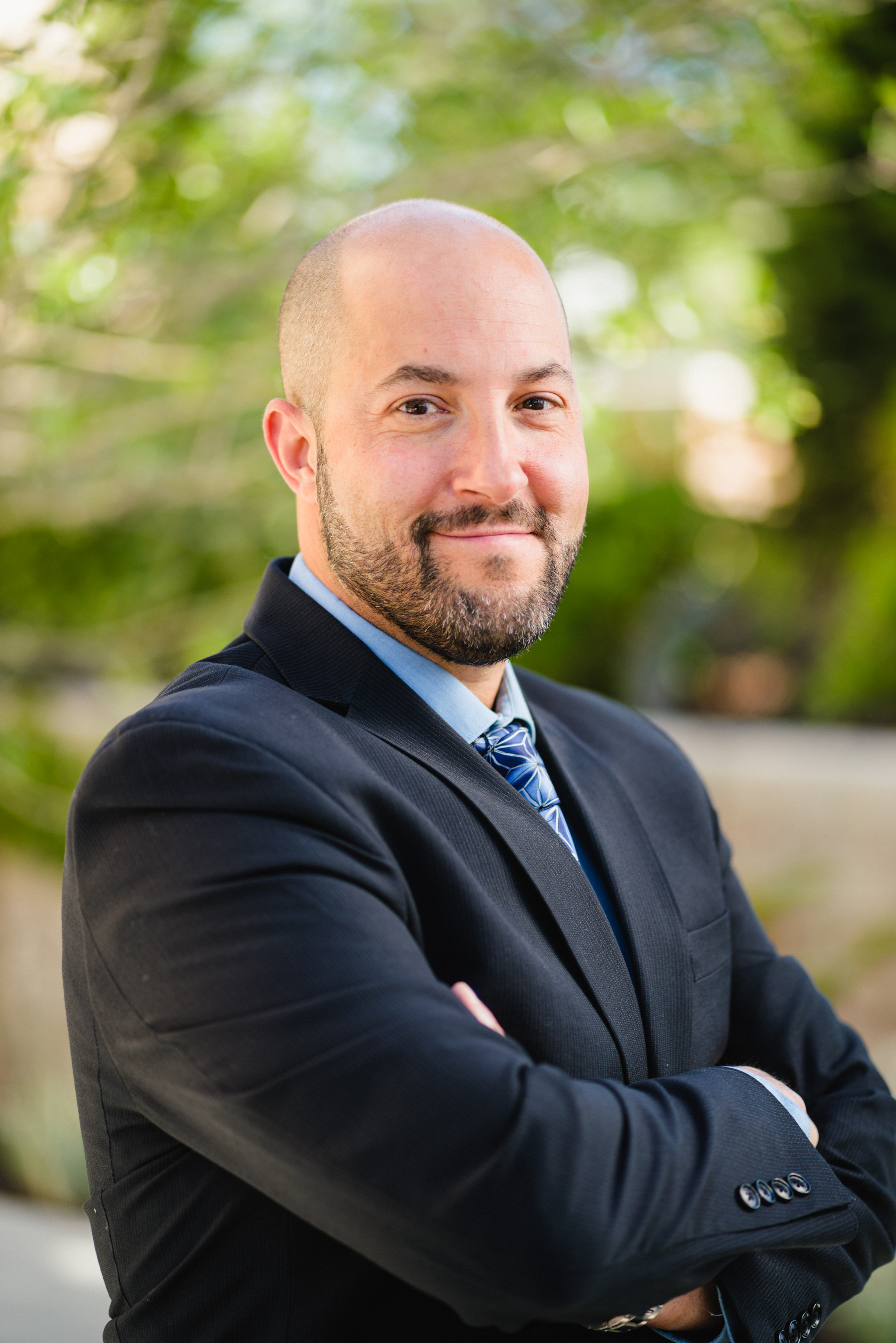
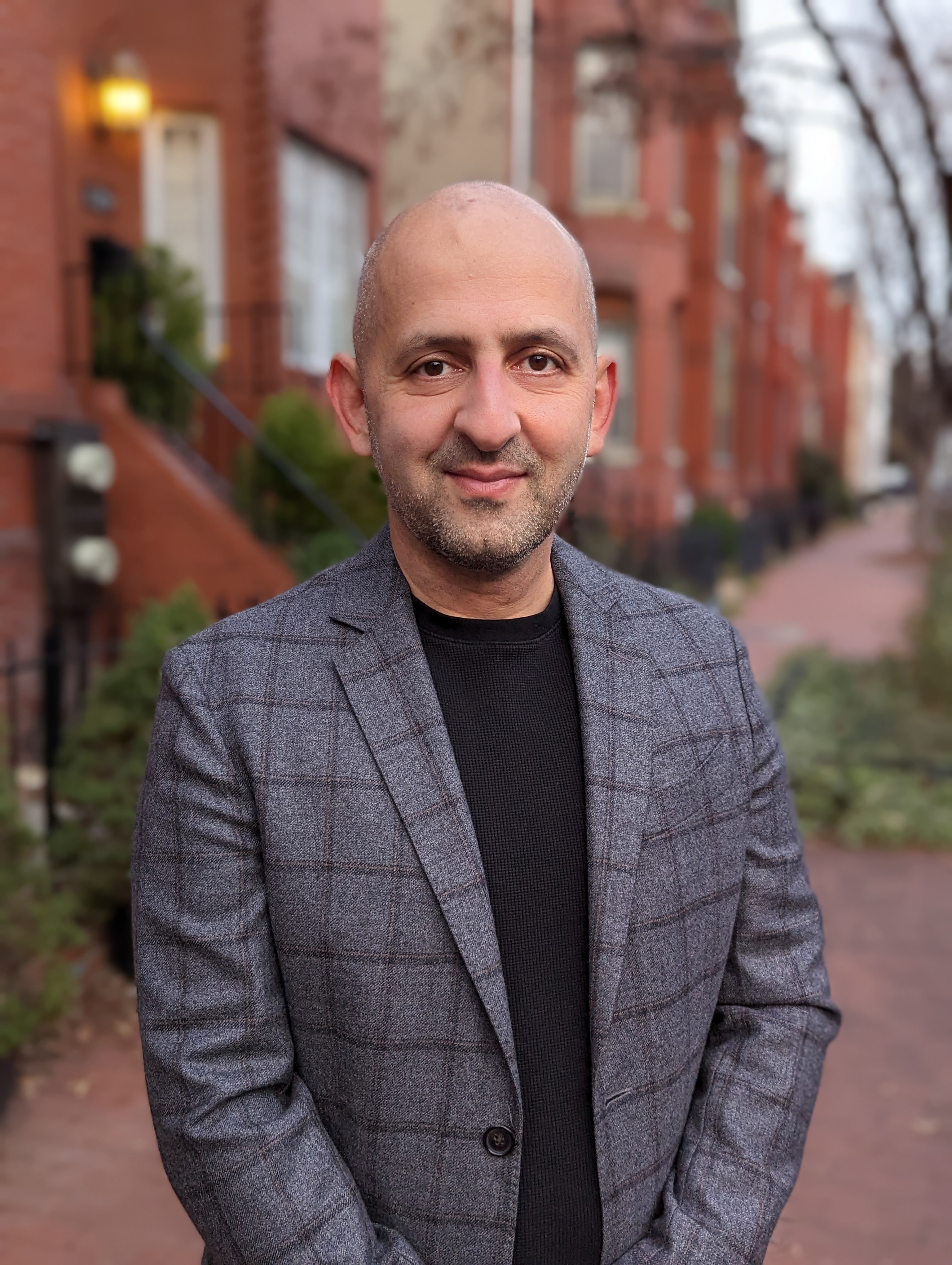
Convened by Sahib Khalsa, MD, PhD and
and
A curated gathering of leading scientists, clinicians, innovators, and funders exploring how the brain senses the body—and what this reveals about consciousness, mental health, and the future of intelligence.
Attendance is limited and primarily by invitation. A small number of additional spaces may become available — join the list to be notified.
A decade ago, a landmark gathering of interoception researchers produced one of the most cited frameworks in the field — Interoception and Mental Health: A Roadmap — a paper that helped shape a generation of research into how the brain models the body’s internal world.
Since then, the science has accelerated beyond what anyone in that room predicted. Interoception is no longer a niche within neuroscience. It is central to our understanding of consciousness, mental health, emotional regulation, chronic pain, resilience, human performance, and the very nature of selfhood. What was once a specialized domain now spans cardiology, gastroenterology, psychiatry, contemplative science, and neurotechnology.
At the same time, the rise of artificial intelligence has sharpened a fundamental question: can machines model intelligence without modeling the body? As AI systems grow more capable, embodied cognition — the science of how sensing the body shapes thinking, feeling, and knowing — has become a defining frontier for both neuroscience, technology, and the future of human-AI interaction.
Embodied Minds marks the next chapter. This summit convenes the researchers, clinicians, and translational thinkers who are defining the frontier — to take stock of how far we’ve come, to identify the questions that matter most and build the collaborations needed to move this science into the world.
At stake is a deeper understanding of how we feel, think, and experience being alive.
“The body is not merely the vessel for the mind. It is the ground from which the mind arises.”
Two days designed to promote collaboration between scientists, innovators, and funders — bridging the experiential and the empirical to accelerate the movement of ideas from discovery to real-world impact.
Unlikely Collaborators, Los Angeles
An experiential evening bringing together a curated group of researchers, philanthropists, and translational leaders in an intimate setting. The salon is designed to foster the kind of cross-disciplinary exchange rarely possible in traditional academic settings — connecting scientific insight with the people and resources needed to bring it into the world.
Experiential elements include floatation-REST sessions, somatic-based interventions, and neurotechnology demonstrations — inviting participants to explore interoception not just intellectually, but as lived experience.
UCLA Luskin Center
A full-day scientific program exploring the role of interoception in consciousness, intelligence, and resilience. Each speaker delivers a focused five-minute talk followed by interactive discussion and small-group breakouts — an intentionally designed format to maximize dialogue and collaboration.
Disciplines represented span cardiology, gastroenterology, pulmonology, psychiatry, neurology, contemplative science, and neurotechnology. The emphasis is not on presenting finished work, but on identifying the frontiers that require collaborative effort.
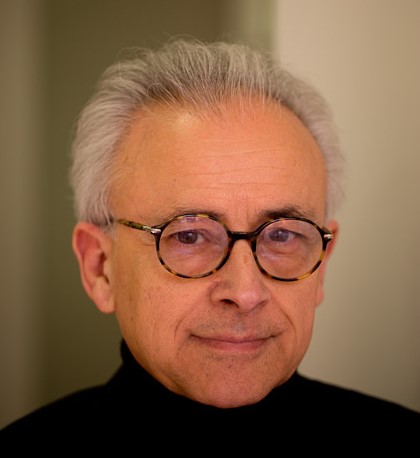
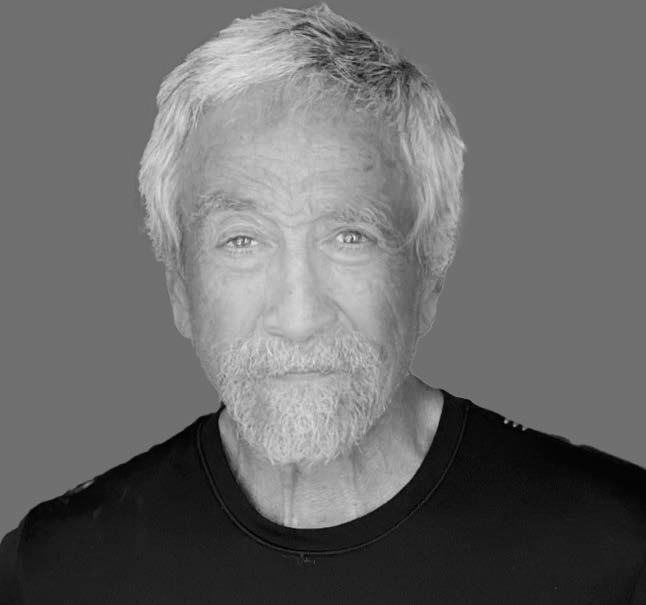
David Dornsife Chair in Neuroscience, University of Southern California
A pioneer in the neuroscience of consciousness and emotion, and one of the field’s most influential thinkers, Dr. Damasio will address the role of interoception in shaping consciousness and intelligence in the age of AI — drawing from his forthcoming book, Natural Intelligence and the Logic of Consciousness. His keynote anchors the summit’s central question: what does it mean to understand the mind in an age when artificial systems increasingly simulate it?
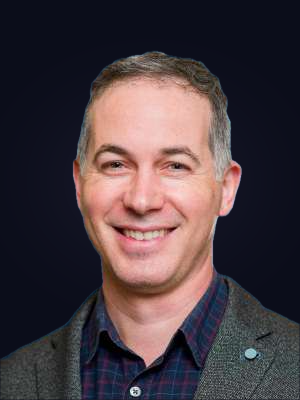
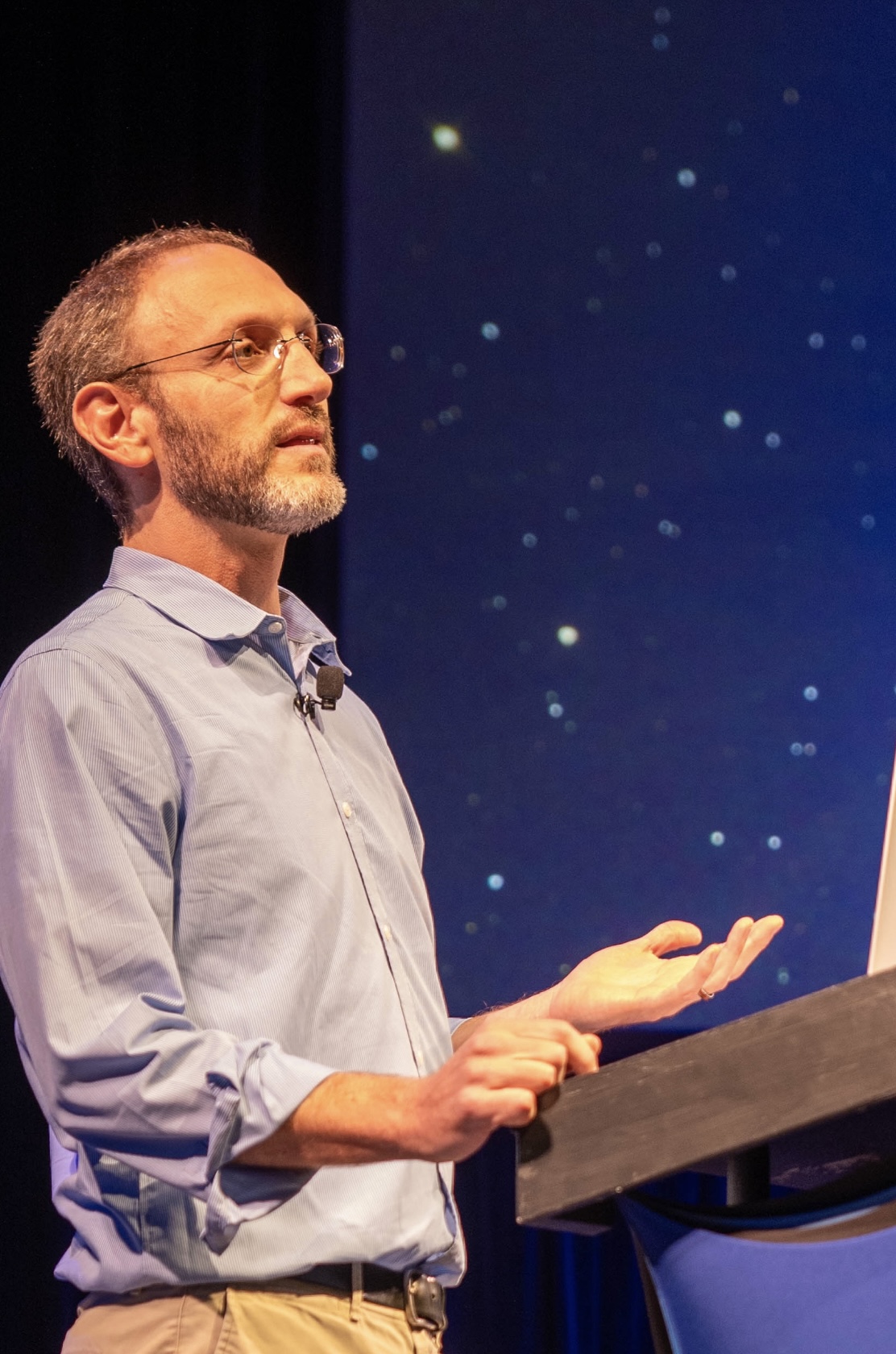
Associate Professor of Psychiatry, UCLA · Director of Anxiety Disorders Research · Louis Jolyon West Innovation Chair, Semel Institute
Dr. Khalsa studies the role of brain-body communication in mental and physical health through the lens of interoception. His group studies how information from the heart and gut shape brain function, combining functional brain imaging with innovative physiological probes to understand the mechanisms driving anxiety, eating, and traumatic stress disorders. As a practicing psychiatrist, Dr. Khalsa leads the Healthy Hearts Behavioral Medicine Program, an interdisciplinary collaboration with the UCLA Cardiac Arrhythmia Center treating anxiety and stress-related disorders in individuals with cardiac conditions. His research has been highlighted in NPR, Scientific American, The New York Times, and The Washington Post.
18 additional speakers across neuroscience, medicine, philosophy, and neurotechnology.
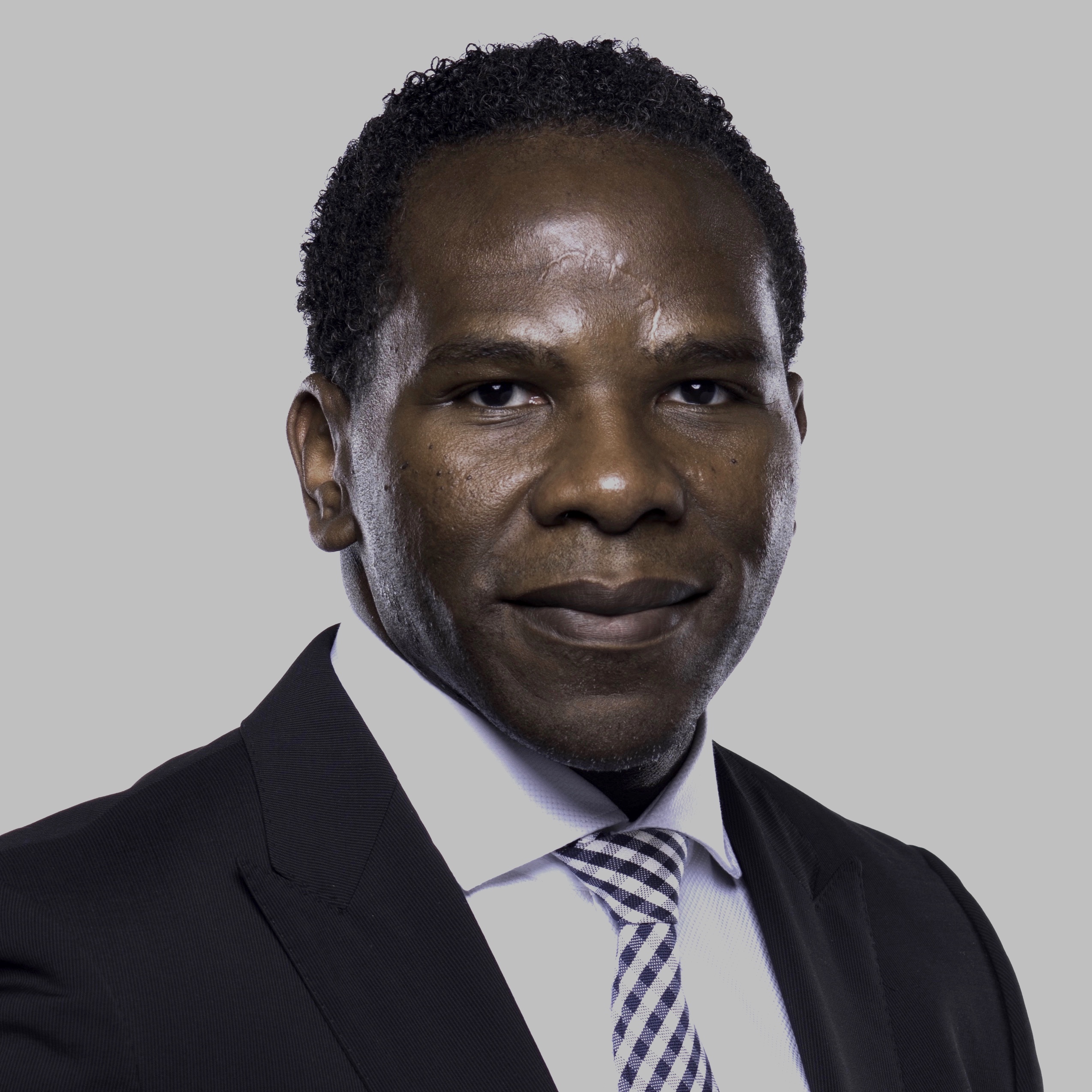
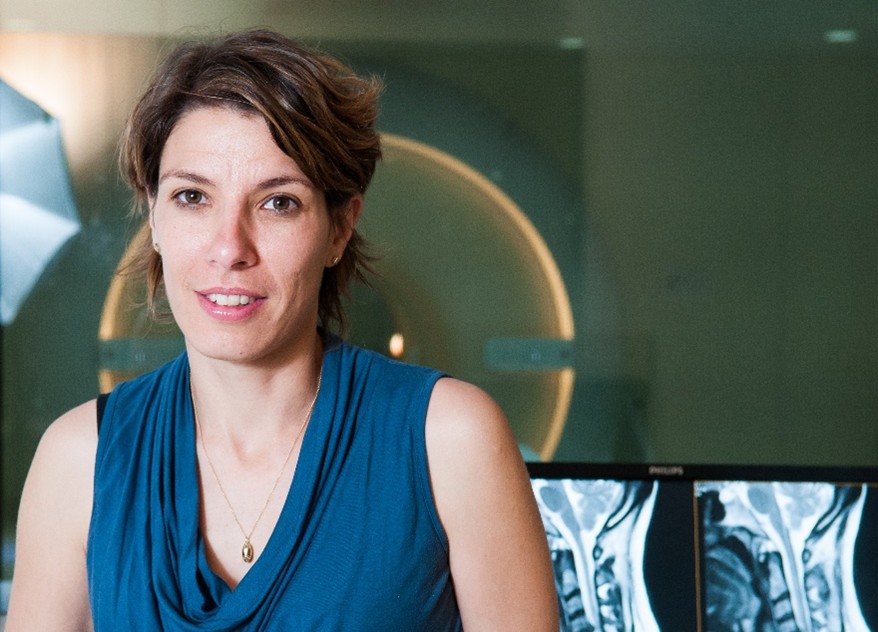
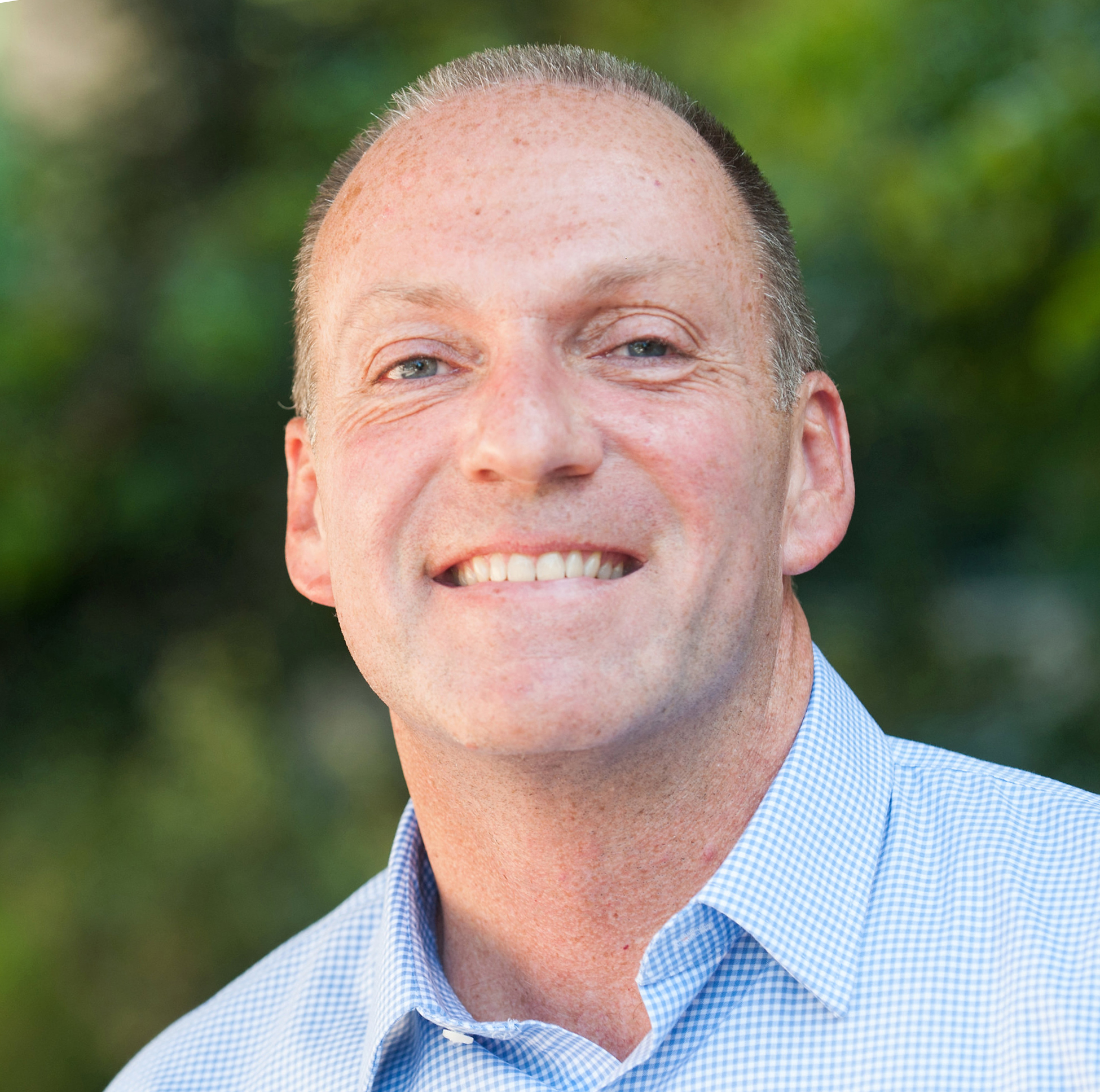
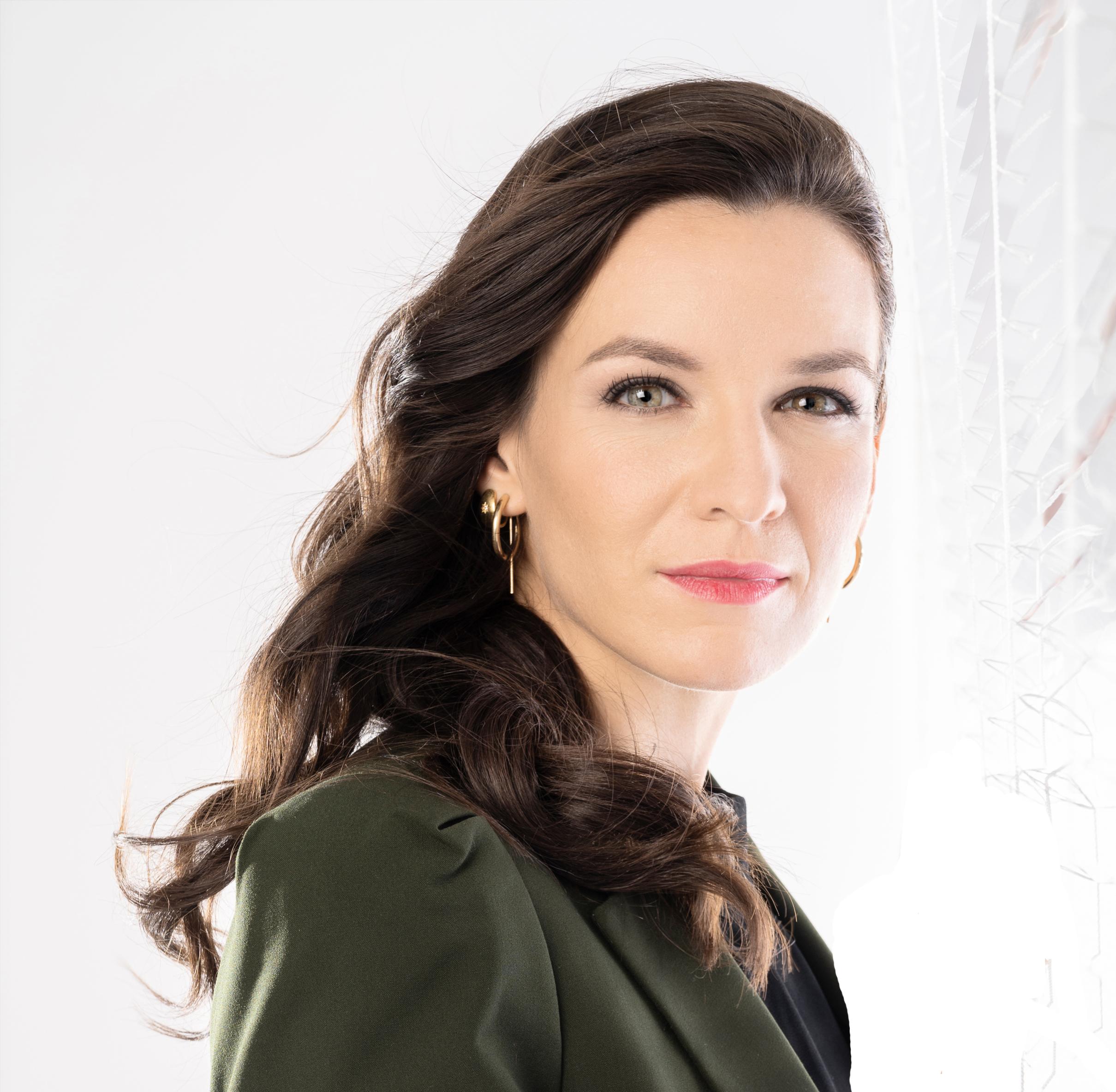
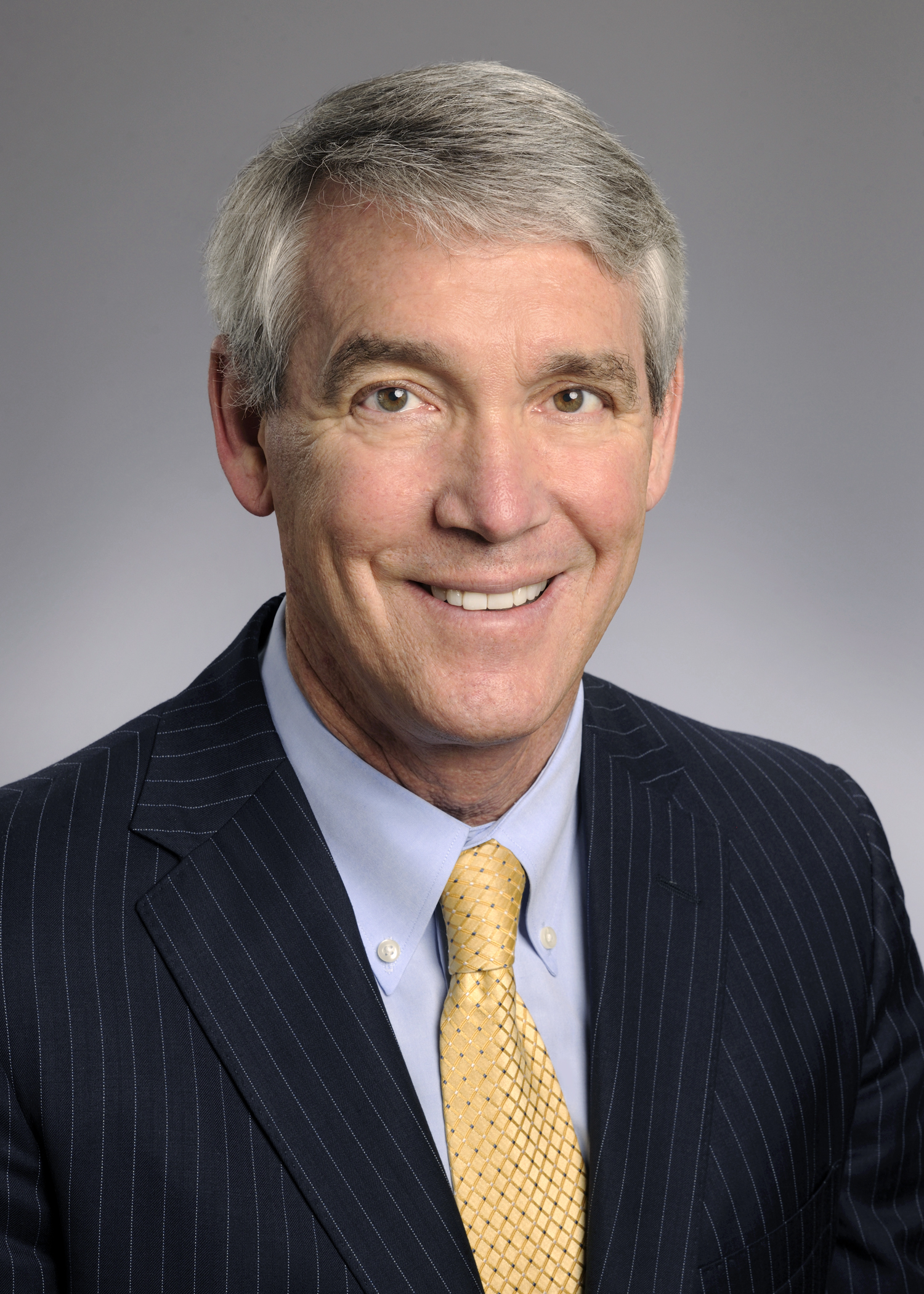
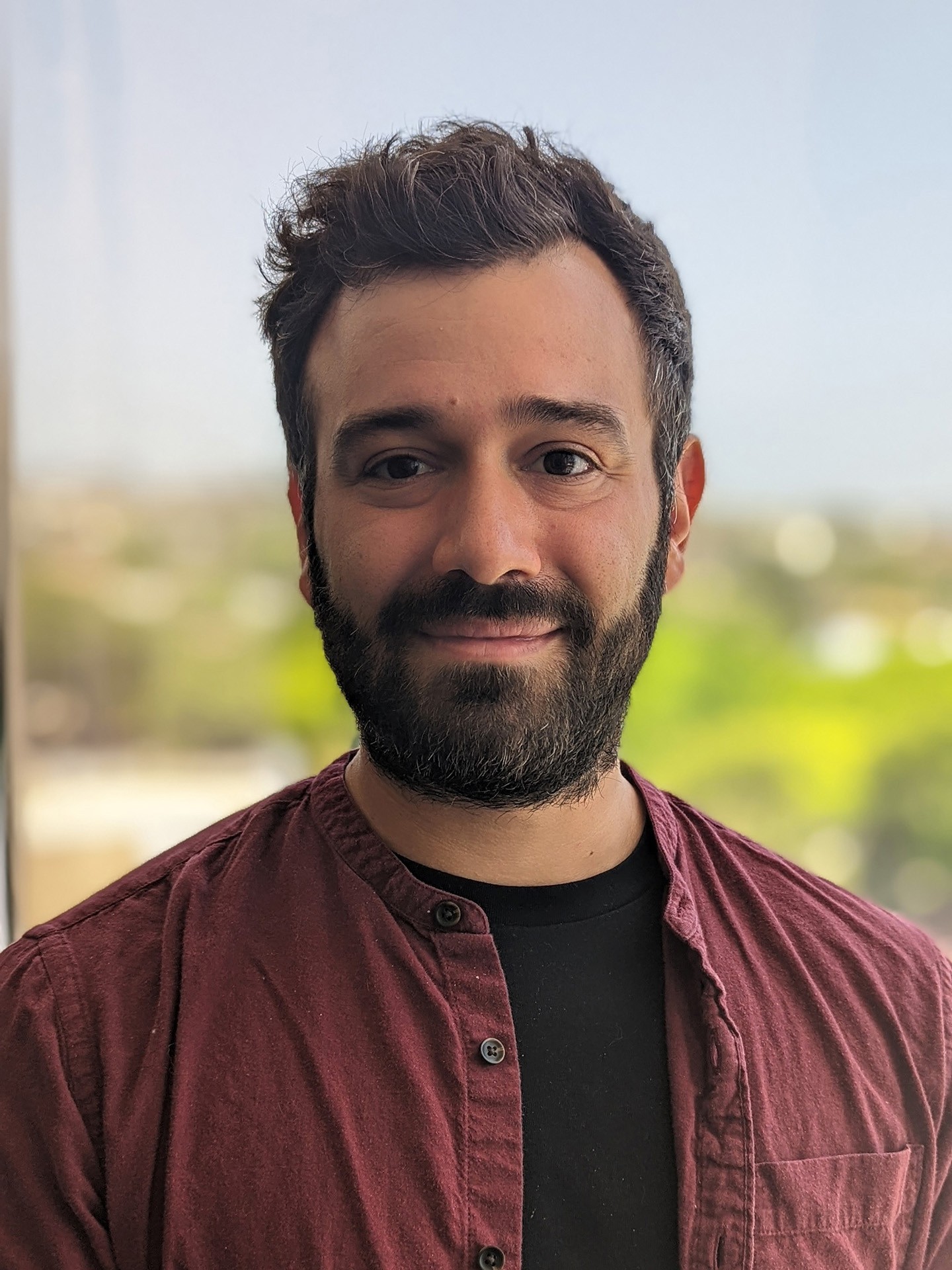
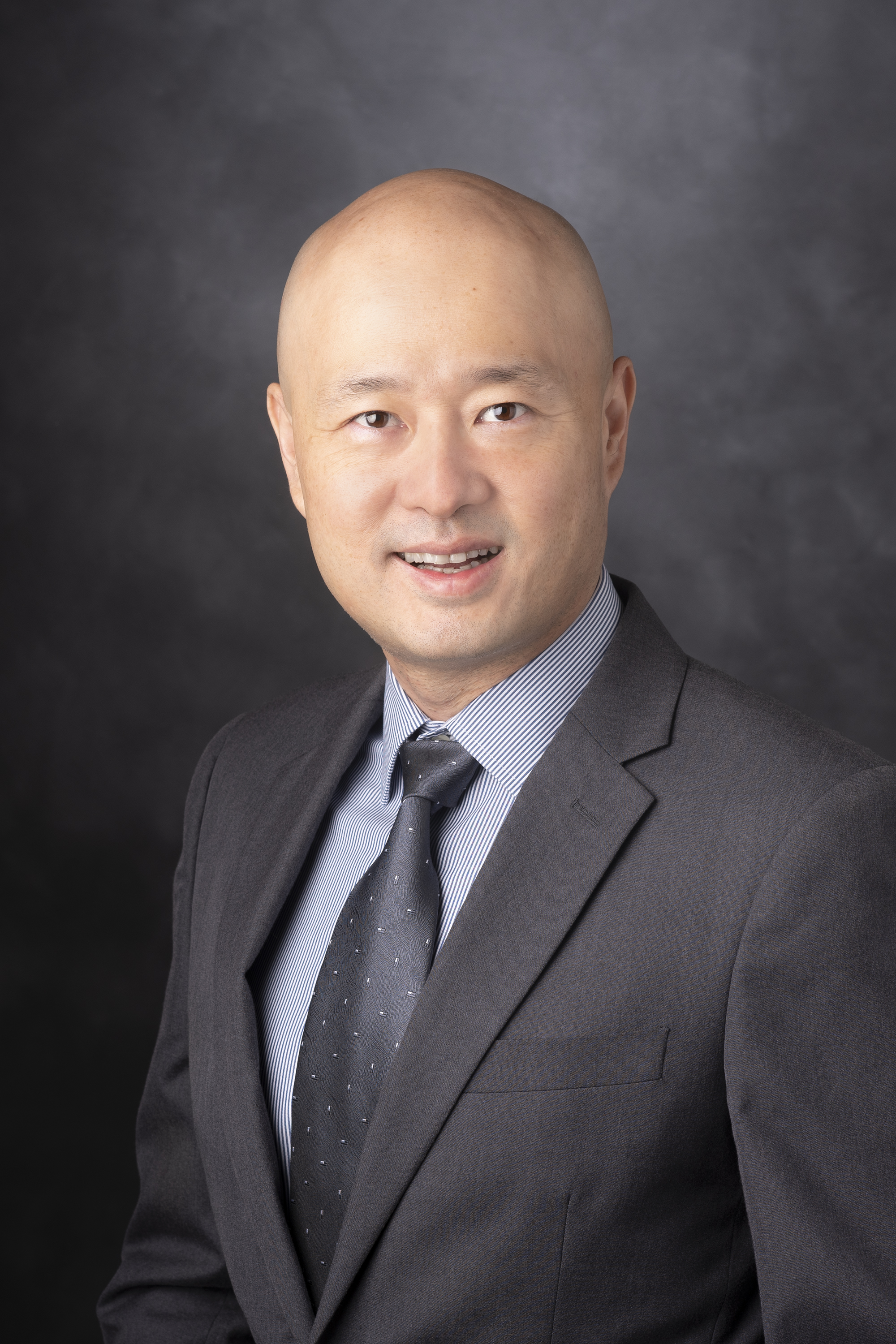
Breakthrough discoveries in neuroscience often take 15 years or more to reach real-world impact. Interoception science is advancing rapidly — but the pathways from insight to intervention remain slow, fragmented, and under-resourced.
Embodied Minds aims to shorten that timeline.
This summit is designed as a launchpad—not just for scientific exchange, but for the collaborations, funding relationships, and translational initiatives that turn knowledge into action. By bringing researchers together with funders, entrepreneurs, and cross-disciplinary thinkers, we aim to build the connective tissue that the field needs to move at the pace its science now demands.
The network assembled here—140 researchers, clinicians, innovators, and funders—represents one of the most interdisciplinary gatherings ever convened around interoception and embodied cognition. The summit will generate a published scientific synthesis, global video dissemination, and a collaborative network designed to advance the field. What emerges from it will help shape the next decade of research.
“Embodied Minds is not just a conference — it is designed to launch the next decade of interoception research.”
Whether through strategic partnership or community engagement, there are meaningful ways to support and stay connected to this work.
Embodied Minds is made possible by the generosity of individuals and organizations who share a commitment to understanding the body–brain connection and its potential to transform human health.
Every contribution supports the core mission—supporting early-career researchers, funding translational initiatives, and building the collaborative networks that will carry this work forward long after the summit ends.
The summit is one facet of a broader strategy we are building to bridge discovery and impact—developing frameworks, forging partnerships, and creating platforms that accelerate how interoception science reaches the people and systems that need it most.
All gifts are tax-deductible charitable contributions to the University of California through the UCLA Foundation.
Whether you are a researcher, funder, builder, or simply drawn to these questions, we invite you to be part of this growing community. Join to receive updates on the summit, future initiatives, and opportunities to engage with the science of interoception and embodied cognition.
If spaces become available for either the salon or the conference, registered community members will be the first to know.