Speakers

18 world-leading voices across neuroscience, medicine, philosophy, and neurotechnology

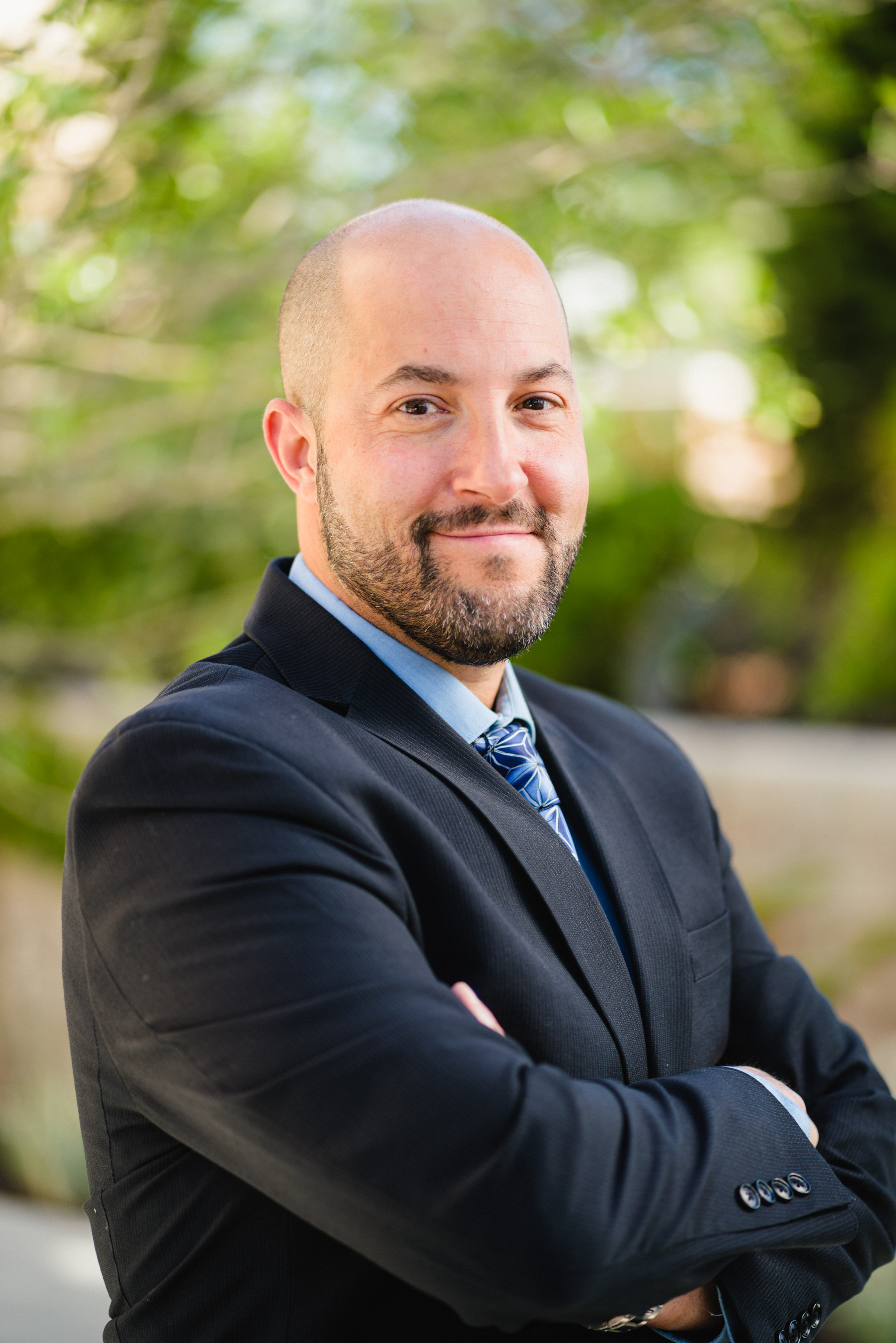
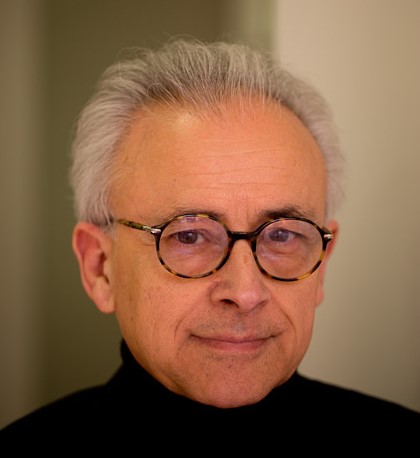
Antonio Damasio

Antonio Damasio, MD, PhD

Keynote Speaker

Dornsife Professor of Neuroscience, Psychology and Philosophy; Director, Brain and Creativity Institute, University of Southern California

Trained as both neurologist and neuroscientist, Damasio has made seminal contributions to the understanding of brain processes underlying affect, decision-making and consciousness. His work has made a major impact in neuroscience, psychology, and philosophy. He is the author of several hundred scientific articles and is one of the most eminent psychologists of the modern era. He is one of the most cited scientists worldwide. [Google Scholar H Index is 177; with 271,683 citations and Web of Science H Index is 102; with 59,438 citations].

Damasio’s recent work addresses the biology of consciousness, the role of life regulation in the generation of cultures, and the development of a new generation of vulnerable robots.

Recent articles include The Physiology of Interoception and Its Significance for Human Consciousness, Singer, J. and Damasio, A. (2025), Philosophical Transactions of the Royal Society B, (in press); Sensing, Feeling and Consciousness, Damasio, H and Damasio, A. (2024), Philosophical Transactions of the Royal Society B; Homeostatic Feelings and the Emergence of Consciousness, Damasio, H and Damasio, A. (in press), Journal of Cognitive Neuroscience; Feelings are the Source of Consciousness, Damasio, A. and Damasio, H. (2023), Neural Computation, Vol. 35;3; Homeostatic Feelings and the Biology of Consciousness, Damasio, A. and Damasio, H. (2022), BRAIN, Vol. 145; 2231–2235; Interoception and the Origin of Feelings: A New Synthesis, Carvalho, G. and Damasio, A. (2021), BioEssays; Homeostasis and Soft Robotics in the Design of Feeling Machines, Man, K. and Damasio, A. (2019), Nature Machine Intelligence, 1, 446–452.

Damasio’s books include Descartes’ Error, The Feeling of What Happens, Looking for Spinoza, Self Comes to Mind, The Strange Order of Things: Life, Feeling, and the Making of Cultures, and Feeling and Knowing, which are translated worldwide and taught in numerous universities. His new book, Natural Intelligence & The Logic of Consciousness, is in press.

Damasio is a member of several academies, among them the National Academy of Medicine, the American Academy of Arts and Sciences, and the Academia das Ciências de Lisboa. He has received numerous prizes, among them the Paul MacLean Award for Outstanding Neuroscience Research in Psychosomatic Medicine [2019], the International Freud Medal [2017], the Grawemeyer Award [2014], the Honda Prize [2010], the Prince of Asturias Prize in Science and Technology [2005], the Nonino Prize as Master of Our Time [2003] and the Pessoa Prize [1992].

He holds Honorary Doctorates from leading universities, some shared with his wife Hanna, e.g., the École Polytechnique Fédérale de Lausanne [EPFL], 2011 and the Sorbonne [Université Paris Descartes], 2015. In 2013 the Escola Secundária Antonio Damasio was dedicated in his native Lisbon. From 2016 to February of 2024, Damasio was a member of the Council of State of Portugal. In 2025 he received the Medal of Honor of the City of Lisbon.
Olujimi Ajijola

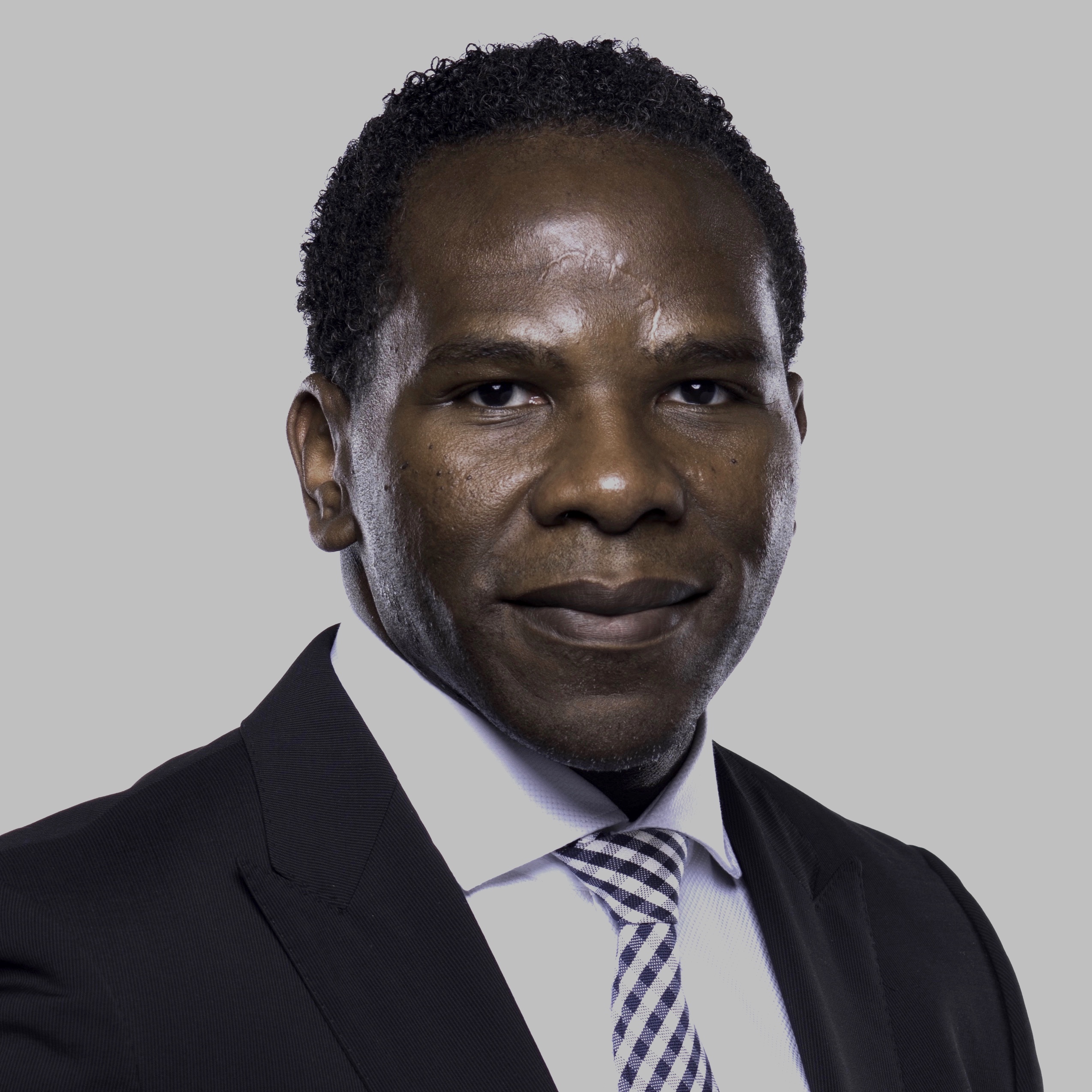
Olujimi Ajijola, MD, PhD

Speaker

Professor of Medicine, UCLA · Co-Director, UCLA Caltech Medical Scientist Training Program

Dr. Ajijola’s laboratory studies the peripheral neural circuits that regulate the heart, using electrophysiologic, genetic, optical, and computational tools to examine how myocardial infarction alters the sympathetic nervous system and drives arrhythmias and sudden cardiac death. Clinically, he is an interventional cardiac electrophysiologist with expertise in a broad range of heart rhythm disorders.

He is also an alumnus of the National Academies’ New Voices Program, a recipient of the NIH Director’s New Innovator Award (DP2), the Jeremiah Stamler Young Investigator Award and received the 2023 Sir Burdon Sanderson Prize Lecture Award from the University of Oxford. He is an elected member of the Association of University Cardiologists (AUC), as well as the American Society for Clinical Investigation (ASCI) and currently serves as an elected ASCI Councilor. He is currently a sitting member of the National Academies’ Roundtable on Black Men and Women in Science, Engineering, and Medicine. He is a nationally recognized advocate for medical and physician-scientist training, recently receiving the Chan Zuckerberg Biohub Leadership Award for these efforts.

His work advances understanding of interoception through the study of neural–cardiac interactions and their role in cardiovascular regulation.

Galia Avidan

Galia Avidan, PhD

Speaker

Professor of Psychology, Ben-Gurion University of the Negev

Dr. Avidan’s current research focuses on understanding how interoceptive signals, particularly those arising from the gastrointestinal system, shape perception, cognition, and emotional processes through gut–brain communication. To address this question, she studies both healthy individuals and patients with irritable bowel syndrome (IBS) as a model for investigating altered gut–brain interactions. Across these populations, she uses a multidisciplinary framework that combines functional and structural neuroimaging with behavioral and physiological measures to investigate how internal bodily signals are represented and integrated in the human brain. Complementing these approaches, she applies computational methods to examine large-scale brain connectivity patterns associated with typical and altered interoception. Her research contributes to the growing field of interoception and its relevance to both mental and physical health.

Steven Cole

Steven Cole, PhD

Speaker

Professor of Psychiatry & Biobehavioral Sciences, David Geffen School of Medicine, UCLA

Steven Cole’s research utilizes molecular genetics and computational bioinformatics to analyze the pathways by which social and environmental factors influence the activity of the human genome, as well as viral and cancer genomes. He pioneered the field of human social genomics, and discovered the “Conserved Transcriptional Response to Adversity” that mediates health disparities via neural regulation of inflammatory and antiviral genes. These gene regulatory pathways provide one medium through which mind and body can reciprocally influence one another to shape human health and wellbeing.

Jack L. Feldman

Jack L. Feldman, PhD

Speaker

Distinguished Professor of Neurobiology, David Geffen School of Medicine, UCLA

Jack L. Feldman’s research transformed the understanding of how the brain generates breathing. Feldman and his laboratory discovered and named the preBötzinger Complex, a small region of the ventrolateral medulla that generates the inspiratory rhythm essential for life. This work established that respiratory rhythm arises from a compact neural kernel rather than a broadly distributed network, providing a unifying framework for the neural control of breathing. Subsequent studies from his laboratory showed that distinct microcircuits within the breathing network generate specific respiratory behaviors, including sighs, and that individual breaths likely emerge from small-amplitude “burstlets” produced by transiently synchronized activity within the preBötzinger Complex. More recently, his work has explored how changes in breathing patterns influence brain state, including emotion and cognition. Together, these discoveries have defined fundamental principles by which small neural circuits generate and regulate vital behaviors and have established breathing as a powerful window into the organization of brain function.

Justin Feinstein

Justin Feinstein, PhD

Speaker

Clinical Neuropsychologist · Founder, Float Research Collective

Dr. Feinstein is a clinical neuropsychologist whose research has revealed important clues about the causal role of the human amygdala in the conscious experience of fear, anxiety, and panic. His current work is focused on studying the intimate connection between the visceral body and the brain (interoception), and developing new technologies to help bring this connection to the forefront of awareness. This research has laid the foundation for novel therapies that can naturally alleviate stress and anxiety without the use of drugs, including Floatation-REST (Reduced Environmental Stimulation Therapy) and the modulation of carbon dioxide as a form of interoceptive exposure therapy. Between 2013–2020, Dr. Feinstein was a principal investigator at the Laureate Institute for Brain Research where he founded and directed the Float Clinic & Research Center. In 2021, he started the Float Research Collective on the island of Maui, a nonprofit organization playing a pivotal role in establishing Floatation-REST as an accepted medical treatment. He recently launched the Maui Calm project in Lahaina, where his nonprofit has constructed the world’s first deployable float facility to help address the unprecedented surge of PTSD on the island following the fires—a scalable concept that could help mitigate and potentially prevent PTSD in the immediate aftermath of a traumatic event by rapidly shifting the nervous system out of hyperarousal and back to homeostasis.

Sarah Garfinkel

Sarah Garfinkel, PhD

Speaker

Professor of Cognitive Neuroscience, University College London

Sarah Garfinkel is a Professor of Cognitive Neuroscience and Group Leader of the Clinical and Affective Neuroscience Group at the Institute of Cognitive Neuroscience, University College London (UCL). Her research focuses on brain-body interactions underlying emotion and cognition, with a particular focus on the heart. In September 2018, Sarah was named by the journal Nature as one of 11 “Rising Star” researchers, across all STEM disciplines internationally. She is the current President of the British Association for Cognitive Neuroscience. Integrating autonomic neuroscience, clinical psychology and psychophysiology, she investigates altered interoceptive mechanisms in different clinical conditions, including anxiety, functional neurological disorder, and schizophrenia.

Eric Garland

Eric Garland, PhD

Speaker

Endowed Professor, Sanford Institute for Empathy and Compassion; Professor of Psychiatry, UC San Diego

Dr. Garland is the developer of Mindfulness-Oriented Recovery Enhancement (MORE), an innovative neuroscience-informed mind-body intervention hailed as one of the greatest breakthroughs in psychotherapy in the past 30 years. Tested through $90 million in federally funded clinical trials, MORE has the strongest evidence base of any behavioral therapy for co-occurring addiction and chronic pain. Dr. Garland has developed techniques that leverage interoceptive awareness and self-transcendent states of consciousness (elicited through mindfulness practices and psychedelics) to recalibrate maladaptive predictive processing of pain and craving and restore adaptive reward system function in disorders of hedonic dysregulation. In recent bibliometric analyses, Dr. Garland was found to be the most prolific author of mindfulness research in the world.

Arash Javanbakht

Arash Javanbakht, MD

Speaker

Professor of Psychiatry, Wayne State University · Director, STARC

Dr. Javanbakht is the founding director of the Stress, Trauma, and Anxiety Research Clinic (STARC). His research examines the longitudinal impact of trauma and stress on the brain and body, focusing on advanced technologies for treatment of PTSD and anxiety. He pioneers patented AI-enhanced augmented reality (AR) platforms that place patients in dynamic, AI-driven social environments – akin to a “Holodeck” – allowing clinicians to evoke and measure behavioral and physiological fear responses in real time, and deliver in vivo exposure therapies. He is the author of the book AFRAID: Understanding the Purpose of Fear and Harnessing the Power of Anxiety and has received numerous honors, including the ISTSS Innovation Award and UnitedXR Healthcare Solution of the Year. His research helps explore how AI and immersive technologies can engage interoceptive and embodied processes to reshape fear, perception, and the conscious regulation of emotion.

Rajesh Kumar

Rajesh Kumar, PhD

Speaker

Professor-in-Residence of Anesthesiology, David Geffen School of Medicine, UCLA · Director of Imaging Technology, UCLA

Dr. Kumar's research uses advanced magnetic resonance imaging and spectroscopy to understand how disorders such as obstructive sleep apnea, heart failure, and metabolic disease affect the brain systems that regulate autonomic function, cognition, mood, and breathing. By identifying how these conditions alter neural tissue integrity and brain-body regulation, his work helps explain why common medical illnesses can have profound effects on memory, emotion, and quality of life. Dr. Kumar is widely recognized for pioneering imaging studies showing blood-brain barrier disruption and structural brain injury in obstructive sleep apnea, and he leads multiple NIH-funded investigations in this area.

Emeran Mayer

Emeran A. Mayer, MD, PhD

Speaker

Distinguished Research Professor of Medicine, David Geffen School of Medicine, UCLA · Executive Director, G. Oppenheimer Center for Neurobiology of Stress & Resilience · Founding Director, Goodman Luskin Microbiome Center

Dr. Mayer is a Gastroenterologist, Neuroscientist and Distinguished Research Professor with a career-long interest in clinical and scientific aspects of brain-gut-microbiome interactions in health and several brain-gut diseases, including IBS, IBD, early cognitive decline and autism spectrum, and has been supported by NIH funding in these areas. He has published 449 scientific papers, co-edited 3 books and has an h-index of 137 and 76,507 total citations. He published the bestselling books The Mind-Gut Connection in 2016, The Gut-Immune Connection in June 2021, and the recipe book Interconnected Plates in 2023. In 2023, he produced and directed a documentary film for PBS on the mind-gut-immune connection, and was featured in a piece by MasterClass on Gut Health.

Sahib Khalsa

Sahib Khalsa, MD, PhD

Summit Organizer & Speaker

Associate Professor of Psychiatry, UCLA · Director of Anxiety Disorders Research · Louis Jolyon West Innovation Chair, Semel Institute

Dr. Khalsa studies the role of brain-body communication in mental and physical health through the lens of interoception, the process by which the nervous system senses internal organ system signals. His group studies how information from the heart and gut shape brain function, combining functional brain imaging (fMRI), electroencephalography (EEG) with innovative physiological probes to understand the mechanisms driving anxiety, eating, and traumatic stress disorders. By uncovering how body-brain connections become imbalanced, this research aims to develop new neuroscience-based treatments that restore healthy regulation and improve mental well-being.

Dr. Khalsa’s research has received funding from the National Institute of Mental Health (NIMH), National Institute for General Medical Sciences (NIGMS), National Center for Complementary and Integrative Health (NCCIH), the Mind and Life Foundation, the Brain and Behavior Research Foundation, and the US-Israel Binational Science Foundation. His findings have been regularly highlighted in public media outlets including NPR, Scientific American, New Scientist, The BBC, The New York Times, and The Washington Post. As a practicing psychiatrist Dr. Khalsa leads the Healthy Hearts Behavioral Medicine Program, an interdisciplinary collaboration with the UCLA Cardiac Arrhythmia Center treating anxiety and stress-related disorders in individuals with cardiac conditions. Dr. Khalsa received a medical degree and PhD in neuroscience from the University of Iowa and completed psychiatry residency training at UCLA.

Martin P. Paulus

Martin P. Paulus, MD

Speaker

Scientific Director and President, Laureate Institute for Brain Research

Dr. Paulus has built a distinguished career at the forefront of psychiatric neuroscience, dedicated to understanding the complex brain mechanisms underlying mental illness. Currently serving as the Scientific Director and President of the Laureate Institute for Brain Research (LIBR) in Tulsa, Oklahoma, he leads a comprehensive research program aimed at translating neurobiological discoveries into tangible clinical tools. His work is characterized by an integrative approach that combines computational modeling, multimodal neuroimaging, and interoceptive science to better understand and treat conditions like anxiety, depression, and substance use disorders.

Frederike Petzschner

Frederike Petzschner, PhD

Speaker

Assistant Professor, Brown University · Carney Institute for Brain Science

Dr. Petzschner’s research investigates biological intelligence — how the brain and body interact to generate perception, emotion, and adaptive behavior. Drawing on computational modeling, interoception, and embodied cognition, she explores how the nervous system integrates internal bodily signals with external information to regulate mental and physical health. Dr. Petzschner has made key contributions to predictive processing frameworks that account for bodily and affective states, bridging the gap between neuroscience and psychiatry. Her work has broad implications for understanding anxiety, depression, and other conditions in which body–brain communication is disrupted. She leads the Psychiatry, Embodied, and Computation (PEAC) Lab and is a strong advocate for integrating biological and computational perspectives in the study of cognition and intelligence. She is also the Co-Director of the Brainstorm Program, a tech-transfer initiative at Brown translating neuroscientific discoveries into real-world applications, and Co-Founder of SomaCare Inc., a Brown spin-out scaling evidence-based, non-pharmaceutical, non-surgical pain care.

Mark Hyman Rapaport

Mark Hyman Rapaport, MD

Speaker

Founding CEO Emeritus, Huntsman Mental Health Institute, University of Utah · President-elect, American Psychiatric Association

Dr. Rapaport has received peer-reviewed grant funding from the National Institute of Mental Health, The National Cancer Institute, the National Center for Complimentary and Alternative Medicine, The Stanley Medical Research Institute, the Veterans Affairs Research Board and the National Alliance for Research on Schizophrenia and Depression Foundation. His research interests focus on human psychoneuroimmunology, psychopharmacology research, clinical trial methodology, quality of life, and complementary and alternative medicine.

Dr. Rapaport has trained and mentored students, physicians and researchers in the fields of psychopharmacology, outcomes research, and psychoneuroimmunology for over 30 years. He founded the New Investigators Program for the NCDEU meeting in 1992 and has continued to Co-Lead the Program, which is now part of the ASCP annual meeting. Dr. Rapaport has written over 200 articles and edited 4 books. He was the founding Co-Editor and later served as the Editor of Focus: The Journal of Lifelong Learning in Psychiatry, published by American Psychiatric Association Publishing, Inc from 2003 until 2025. Dr. Rapaport is a member of the American College of Psychiatrists, American Society of Clinical Psychopharmacology, Anxiety Disorders Association of America, the Psychiatric Research Society and the Collegium International Neuropsychopharmacology (CINP) and the American College of Neuropsychopharmacology (ACNP). He is a distinguished life fellow of the American Psychiatric Association and a fellow of the American College of Psychiatrists, ACNP, and ASCP.

Nicco Reggente

Nicco Reggente, PhD

Speaker

Research Director, Institute for Advanced Consciousness Studies (IACS) · Lecturer, UCLA

Nicco Reggente is a cognitive neuroscientist and entrepreneur. He currently serves as Research Director at the Institute for Advanced Consciousness Studies (IACS), a nonprofit he co-founded with a mission to democratize non-ordinary states of consciousness. His research integrates meditation, aesthetic chills, and experiential technology with neuroimaging, neurofeedback, and machine learning to personalize well-being interventions. His work has tracked depth of meditation using heartbeat evoked potentials, now the basis for a VR neurofeedback program enhancing embodied awareness in adolescents. His research on aesthetic chills revealed their ability to reliably elicit self-transcendent experiences that mitigate maladaptive schemas, with clinically meaningful effects on depression. He also spearheads IACS’s empirical evaluation of consumer-grade experiential technologies (“technodelics”). Nicco is also a lecturer in functional neuroimaging at his alma mater, UCLA.

Xiling Shen

Xiling Shen, PhD

Speaker

Professor, GI Medical Oncology & Co-Director of CRC Moonshot, MD Anderson Cancer Center; Acting Director, Terasaki Institute for Biomedical Innovation

Xiling Shen is a Professor and Texas CPRIT Established Scholar in GI Medical Oncology and Co-Director of CRC Moonshot at MD Anderson Cancer Center. He is also the acting director of the Terasaki Institute for Biomedical Innovation. He was formerly the Director of the Woo Center for Big Data and Precision Health and Hawkins Family Professor at Duke University. He received his BS, MS, and PhD degrees from Stanford University and the NSF faculty career award at Cornell University. He was the steering committee chair of the NCI Patient-Derived Model of Cancer Consortium and the NCI Tissue Engineering Collaborative, Cancer Track Chair of Biomedical Engineering Society, and leader of the Chan-Zuckerberg Gut-Brain Atlas Program. He founded several biotech startups and raised more than $100M venture funding, translating several technologies into clinical pipelines. His lab studies functional precision medicine, the gut-brain axis, and regenerative medicine.

Kalyanam Shivkumar

Kalyanam Shivkumar, MD, PhD

Speaker

Distinguished Professor of Medicine, Radiology and Bioengineering, UCLA

Dr. Shivkumar is an interventional physician scientist who is a Distinguished Professor in the Departments of Medicine (Cardiology), Radiology and Bioengineering at UCLA. He served as the founding director of the UCLA Cardiac Arrhythmia Center & EP Programs (since its establishment in 2002 until 2025). He has established a state-of-the-art interventional electrophysiology program at UCLA and developed several innovative therapies for the non-pharmacological management of cardiac arrhythmias, other cardiac diseases, and interventions beyond the heart. He has trained several leaders in the field of cardiac electrophysiology. He has a long track record of securing competitive extramural grants leading collaborative teams, currently he leads an NIH Program Project Grant on cardiac arrhythmia mechanisms and leads a Leducq Foundation International consortium grant. He has published several highly cited research papers and has developed intellectual property at UCLA that has been commercialized.

He has been elected as a member of prestigious honor societies including the American Society of Clinical Investigation (ASCI), the Association of American Physicians (AAP), and Association of University Cardiologists (AUC). He was also elected as an honorary fellow of the Royal College of Physicians, London (FRCP). He was named as the Editor-in-Chief of the Journal of the American College of Cardiology: Clinical Electrophysiology in 2020 and his term was renewed again in 2025. He served as the president of the International Society of Autonomic Neuroscience (2019–2022). His scientific focus is to develop neuroscientific therapies for various organ diseases (the concept “Internet of the Human Body”). He is the inaugural holder of the Lakshmi Aravamudan Endowed Chair at the Indian Institute of Science (Bengaluru, India). He is also a Visiting Professor of Arrhythmia Medicine at Oxford University (UK) and a Physician Associate at the Merkin Institute for translational research at California Institute of Technology. He founded the Amara-Yad Project, an open access knowledge portal for medical education.

Choong-Wan (Wani) Woo

Choong-Wan (Wani) Woo, PhD

Speaker

Associate Professor, Sungkyunkwan University · Associate Director, Center for Neuroscience Imaging Research

Dr. Woo’s research focuses on how internal bodily and brain states shape pain, emotion, and affective experience, with the goal of improving the lives of individuals living with chronic pain and suffering. Dr. Woo has developed neuroimaging-based biomarkers of pain and emotion, including models of sustained pain, pleasure, and personalized brain decoding of chronic pain, with work published in NEJM, Nature Medicine, PNAS, and Nature Neuroscience. He has also developed interoceptive AI, a life-inspired computational framework that integrates interoception, embodiment, and reinforcement learning to model how internal states give rise to affect, behavior, and adaptive intelligence. His work bridges neuroscience, medicine, and AI to advance both basic understanding and clinical translation.

Fadel Zeidan

Fadel Zeidan, PhD

Speaker

Professor of Anesthesiology, UC San Diego · Director, Brain Mechanisms of Pain and Health Laboratory

Dr. Zeidan’s research explores the neural, psychological, and physiological mechanisms that underlie pain, self-regulation, and compassion. His work combines functional brain imaging and psychophysics to understand how practices like mindfulness meditation and compounds such as psilocybin, DMT, cannabis, and other natural products can alleviate suffering and promote mental and physical health. His team’s research has made significant contributions to non-opioid approaches to chronic pain relief and has expanded into investigating how self-regulatory practices and psychedelic-assisted therapies may support broader well-being and empathy.